
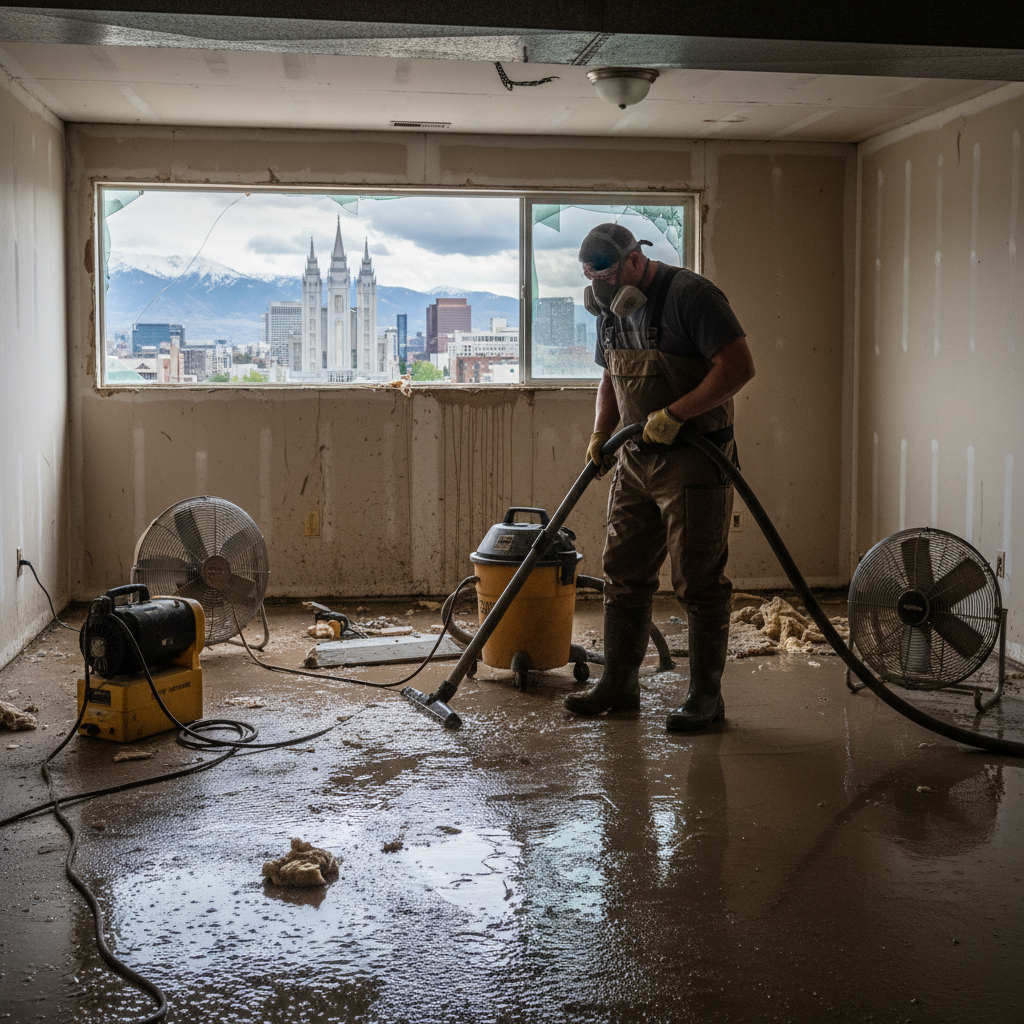
Mold is a common issue in Salt Lake City due to the region's semi-arid climate, which brings cold, snowy winters and hot, dry summers. The frequent winter snowmelt and spring runoff can lead to water intrusion, making homes in neighborhoods like The Avenues and Sugar House vulnerable to mold growth. Sudden summer thunderstorms can also lead to unexpected flooding, further increasing the risk. Addressing mold concerns promptly is crucial not only for maintaining property value but also for protecting the health of residents.
Our Mold Inspection Service is backed by extensive knowledge of local housing stock, predominantly consisting of older homes, often with basements that are prone to moisture issues. Many properties in Downtown Salt Lake City and Capitol Hill may have outdated plumbing systems that are more susceptible to leaks, thus fostering mold growth. Our team conducts thorough inspections using industry-standard techniques, including moisture mapping and air quality testing, ensuring all potential mold hazards are identified and addressed.
Serving the greater Salt Lake County area, from Rose Park to Glendale, our Mold Inspection Service adheres to local regulations regarding mold remediation and safety standards. It’s vital to comply with national guidelines, such as those set by the Environmental Protection Agency (EPA), when dealing with mold. We ensure our methods are effective and safe, prioritizing the well-being of our clients and their families as we work to restore healthy living conditions.
Technician insight
Understanding the local climate and typical housing conditions is crucial for effective mold inspections. Many homes near Liberty Park and Hogle Zoo may face unique moisture challenges, making routine inspections essential to prevent mold issues.
Typical Salt Lake City Home Scenario
A family in Sugar House discovers mold in their basement after heavy spring rains. Our swift inspection identifies the source and recommends effective remediation strategies.
Mold Inspection Service Services We Offer
✓Comprehensive Air Quality Testing
Assess indoor air for mold spores and allergens using advanced testing methods for a healthier home environment.
✓Moisture Mapping Services
Utilize cutting-edge technology to identify hidden moisture sources that can lead to mold growth and structural issues.
✓Mold Assessment for Real Estate Transactions
Provide detailed mold reports for home buyers and sellers in Salt Lake City to disclose potential mold issues prior to transactions.
✓Post-Remediation Verification
Conduct follow-up inspections after mold remediation to ensure that the areas are mold-free and safe for occupancy.
✓Mold Risk Assessment Consultation
Evaluate your property and offer expert advice on preventing mold growth based on environmental conditions in Salt Lake City.
Mold Inspection Service Cost in Salt Lake City, UT
| Service | Typical Range | What Affects It |
|---|---|---|
| Initial Mold Inspection | $150–$300 | Dependent on property size and accessibility. |
| Air Quality Testing | $100–$250 | Cost varies based on the number of samples collected. |
| Follow-Up Inspection | $100–$200 | Price adjustments based on previous findings. |
| Mold Assessment for Real Estate | $200–$400 | Complexity of the property impacts pricing. |
Ranges are typical for Salt Lake City, UT and confirmed with an exact written quote before any work starts.
How it works
- 1
Initial Consultation
We begin with a consultation to understand your concerns, particularly for homes in moisture-prone areas like East Bench.
- 2
On-Site Inspection
Our specialists perform a detailed on-site inspection to identify potential mold hazards using state-of-the-art imaging tools.
- 3
Air and Surface Testing
We collect air and surface samples to test for mold spores, particularly relevant in homes built before the 1980s with outdated materials.
- 4
Report and Recommendations
You receive a thorough report detailing findings and recommendations, tailored specifically for your Salt Lake City property.
- 5
Follow-Up Services
We offer follow-up inspections to ensure remediation was successful, particularly important for areas like Liberty Wells where moisture issues are common.